-
Official Websites of
-
MINISTRY OF
PLANTATION AND COMMODITIES -
No. 15, Level 5-13, Persiaran Perdana, Presint 2, 62654 Wilayah Persekutuan Putrajaya


ARKIB BERITA
- Details
- Hits: 512
KOTA KINABALU, June 23 — The government together with stakeholders are now working to address the issue of raw material shortage facing the country’s cocoa industry, said Plantation Industries and Commodities Minister Datuk Zuraida Kamaruddin.
She said the production of raw materials in the country, especially cocoa beans, at present could not meet the demand needed for the domestic cocoa products market, let alone to meet the demand for overseas markets.
- Details
- Hits: 822
According to the International Cocoa Organisation, Q4 grindings data signalled that cocoa demand was strong amid the reopening of the global economy with bean surplus and affordable cocoa beans supporting the increase in cocoa processing activities by chocolate manufacturers. (File pic shows Guan Chong factory.)
PETALING JAYA: Stronger demand for cocoa products amid a resumption of tourism activities has helped boost margin recovery for Guan Chong Bhdhttps://cdn.thestar.com.my/Themes/img/chart.png.
The cocoa product maker saw the earnings before interest, taxes, depreciation, and amortisation (Ebitda) yield recover to RM1,400 per tonne in the fourth quarter ended Dec 31, 2021 (Q4) compared to RM879 in Q3 thanks to a higher sales ratio and lower input costs.


- Details
- Hits: 807
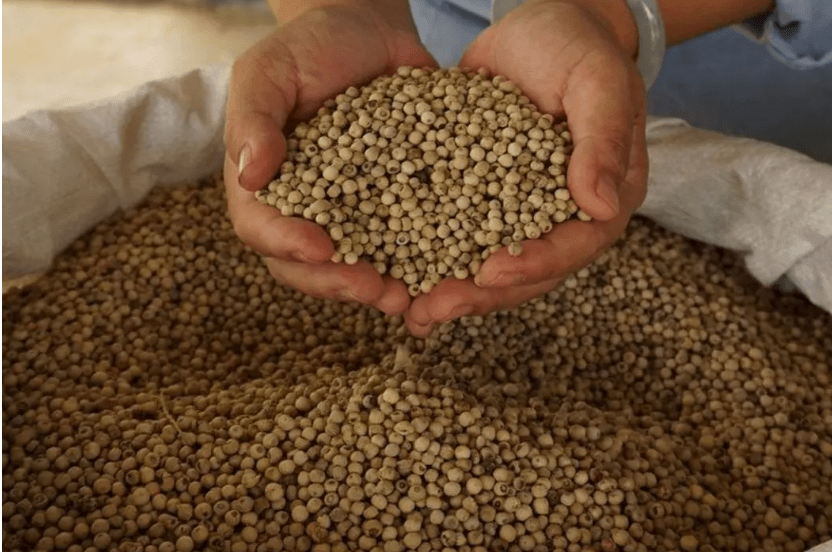
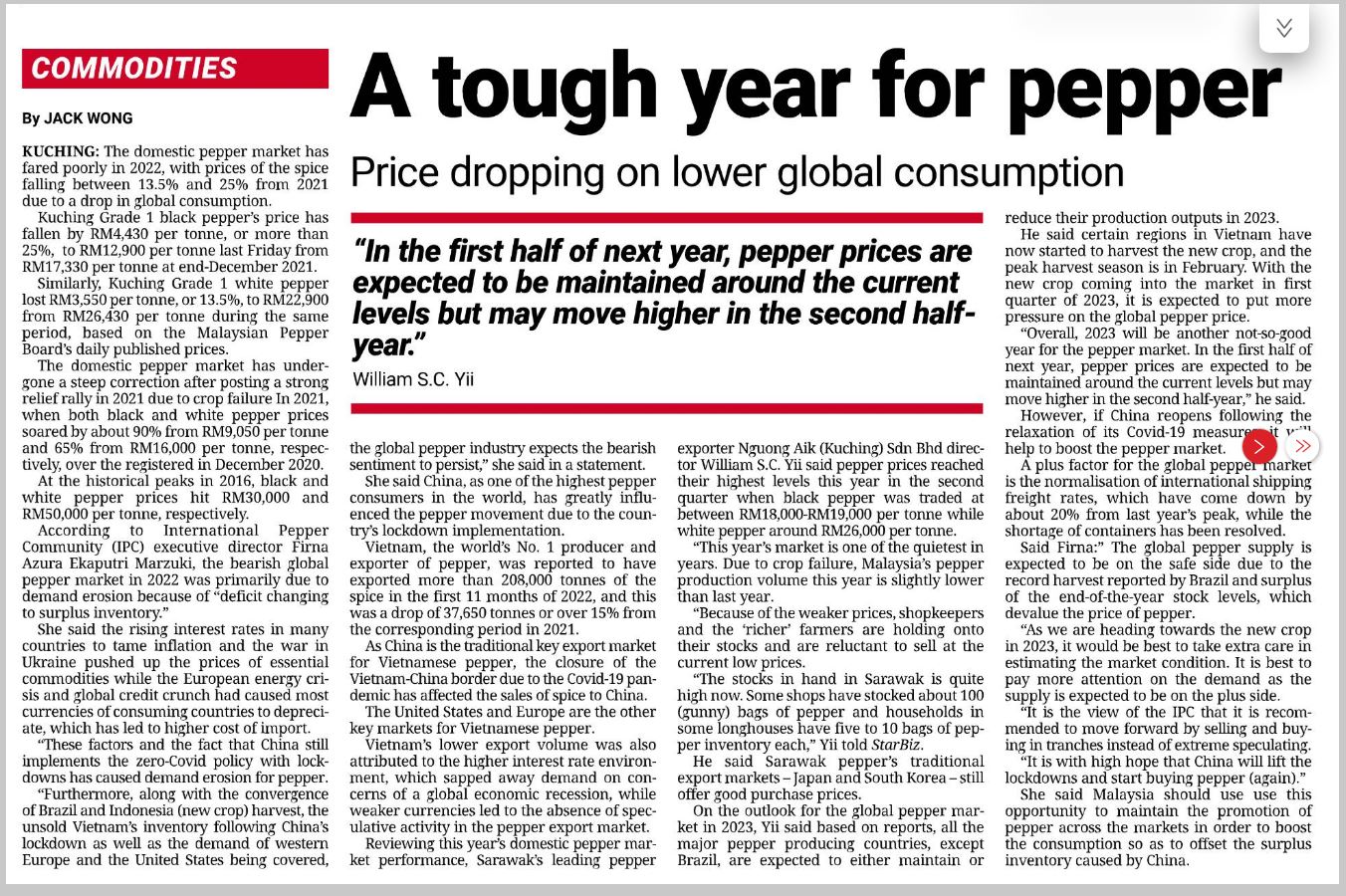
KUALA LUMPUR (May 15): Global pepper demand is projected to continue its upward trajectory in 2024 and 2025, according to Plantation and Commodities Minister Datuk Seri Johari Abdul Ghani.
The minister attributed this growth to the potential applications of pepper in various sectors, including pharmaceuticals and cosmeceuticals, which are driving this positive trend.
“In 2023, the global pepper consumption will amount to around 291,000 tonnes, an increase of 40,000 tonnes compared with the previous year.
“However, Malaysia's pepper exports slightly declined in 2023 to 5,800 tonnes worth RM149 million compared with 6,700 tonnes in the previous year worth RM180 million,” he said during the inaugural Malaysian Pepper Industry National Conference 2024 themed “Strengthening the Growth of the Pepper Industry”.
His speech was read by Deputy Plantation and Commodities Minister Datuk Chan Foong Hin.
Johari highlighted Malaysia's position as the world's fifth-largest pepper producer, with a production volume of approximately 31,000 tonnes in 2023, trailing behind Vietnam, Brazil, India and Indonesia.
He acknowledged the current challenges facing the local and global pepper industry, particularly the imbalance between supply and demand which is exerting pressure on prices.
Hence, he said the government, via the Malaysian Pepper Board (MPB), is implementing several dynamic and integrated programmes, projects, incentives and assistance involving smallholders and pepper entrepreneurs to ensure the sustainability of the pepper industry and boost the development of upstream and downstream industries.
Under the 12th Malaysia Plan, the government has allocated RM50 million to assist pepper farmers through the New Pepper Planting Scheme and the Mature Pepper Planting Scheme, thereby alleviating financial burdens.
In addition, he said the government has also allocated RM3 million to implement the premium quality pepper projects, while another RM5 million was allocated to increase the involvement of competitive downstream entrepreneurs.
Meanwhile, Johari underscored the conference's objective of boosting pepper demand and consumption while strengthening the downstream sector by fostering collaboration among stakeholders, including small and medium enterprises, exporters, importers, hotels and restaurants.
“This conference is proof that the government is committed to growing a competitive local pepper industry, capable of generating immense value to the national economy,” he added.
https://theedgemalaysia.com/node/711678
Sumber : The Edge Malaysia