-
Official Websites of
-
MINISTRY OF
PLANTATION AND COMMODITIES -
No. 15, Level 5-13, Persiaran Perdana, Presint 2, 62654 Wilayah Persekutuan Putrajaya


BERITA SAWIT 2024
- Details
- Hits: 317
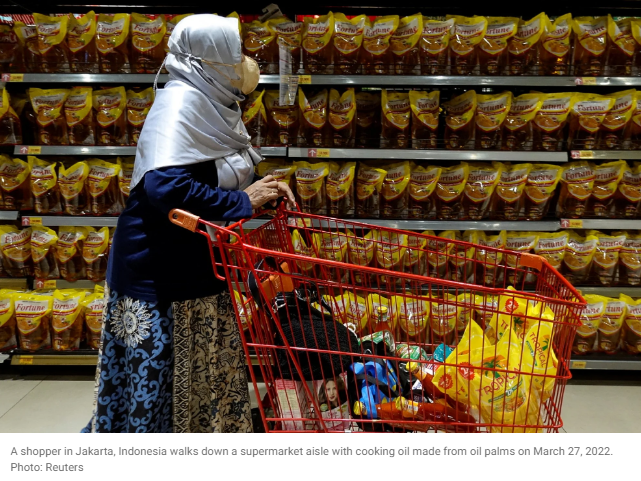
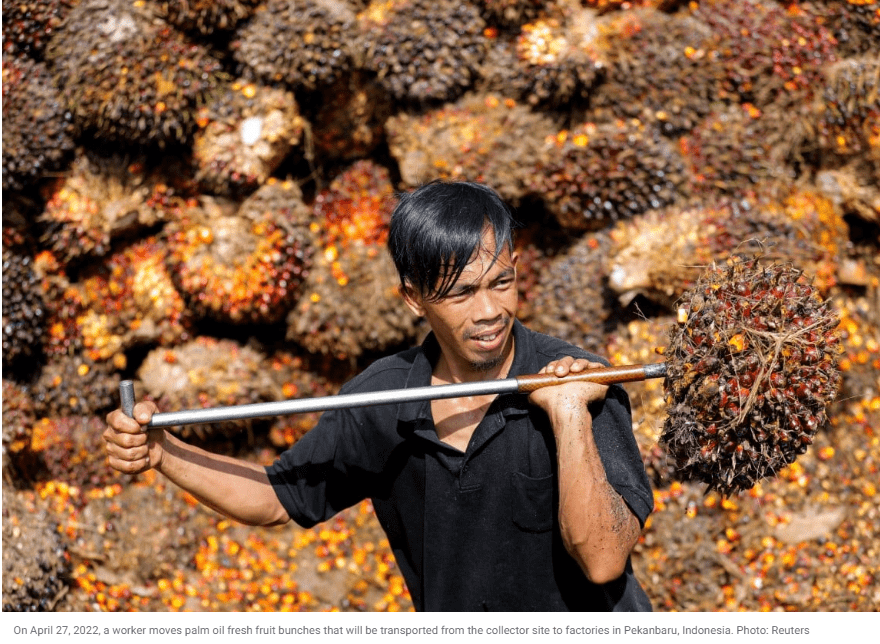
Smallholders are instrumental in Southeast Asia’s palm oil production. Indonesia alone, they cultivate roughly 41 per cent of the land dedicated to oil palm, while in Malaysia, that number is at least 27 per cent. Globally, smallholders are responsible for roughly 35 per cent to 40 per cent of the world’s total oil palm plantations. Therefore, as global concerns about sustainability increase, smallholders play an important role in sustainability initiatives.
However, the path to sustainability is not always smooth for smallholders. Meeting certification standards, like those set by industry watchdog the Roundtable on Sustainable Palm Oil (RSPO), can be complex and costly for those with limited resources. Stringent criteria and documentation requirements can be overwhelming. Regulations such as the European Union Deforestation Regulation add another layer of complexity.
Furthermore, upgrading equipment, improving land management and transitioning to more environmentally friendly methods all require capital that many smallholders simply do not have. Banks and financial institutions might be hesitant to extend credit due to perceived risks like limited financial history or lack of collateral.
Beyond financial limitations, a lack of technical knowledge also poses a crucial challenge. Sustainable oil palm harvesting requires a broad understanding and implementation of best practices in areas such as soil management, fertilisation, pest control, efficient resource use and proper harvesting techniques. Without access to training services, smallholders struggle to acquire this crucial knowledge, hindering their ability to adopt sustainable practices and keep up with evolving certification requirements.
Smallholders also face economic challenges due to their weak position in the supply chain. They often end up accepting lower prices for their fruit, making it difficult to generate the capital needed for sustainable practices.
Further compounding the issue is the volatile nature of palm oil prices. This creates a vicious cycle, where a limited income restricts their ability to invest in sustainability, which can ultimately hurt their long-term profits and yields.
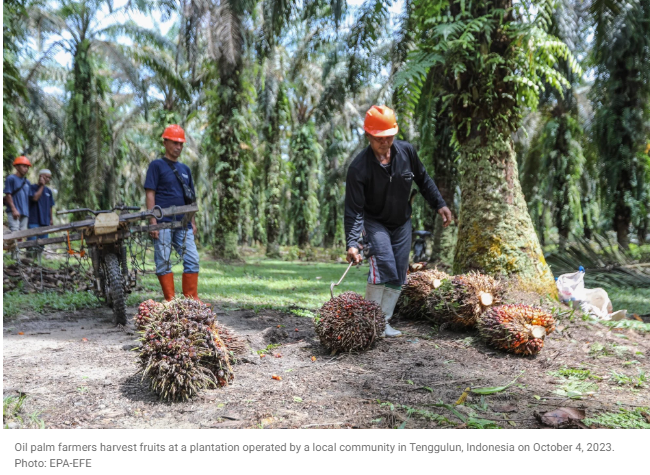
Governments must play a progressive role by implementing targeted support programmes tailored to the specific needs of smallholders. Financial support, such as subsidies or low-interest loans, would help smallholders transition to sustainable practices. Additionally, comprehensive training programmes on best agricultural practices, certification requirements and responsible land management are essential.
Supporting land rights and cooperative structures for smallholders can further empower them.
Indonesia has been using export levies to support smallholders, which is a positive step. However, a more comprehensive approach might be necessary to ensure its range is wide enough.
Certification bodies such as the RSPO also have a crucial role to play in making sustainability more inclusive for smallholders. This could involve simplifying the application process, reducing costs associated with certification and creating group certification options that allow smallholders to pool resources and expertise.
The RSPO’s smallholder strategy is a commendable initiative, but its current scope needs significant growth to effectively serve a wider range of smallholders. Additionally, collaboration among different certification organisations to harmonise standards might help reduce the burden on smallholders and streamline the certification process.
Technology has the potential to be a game changer for smallholders in the oil palm industry, whether it be through mobile apps that give agricultural advice in local languages, digital platforms connecting smallholders directly to buyers or remote sensing technologies that share data that can help with better land management. Of course, not everyone has a high-end smartphone or reliable internet access.
This is where the democratisation of technology comes in. There are user-friendly tools being developed that require minimal technical expertise. Think of simple interfaces with SMS updates. Additionally, exploring alternative methods like community radio broadcasts or local extension worker training programmes can ensure everyone benefits from technological advancement.
Consumer education is another powerful tool to help push the change to sustainable oil palm cultivation. Educating consumers can empower them to make informed choices.
However, systemic change is also crucial. Non-governmental organisations, the media, universities and responsible companies all have a role to play when it comes to raising awareness and advocating for fair and sustainable practices throughout the supply chain. That also goes for supporting the inclusion of smallholders.
The path to sustainable oil palm in Southeast Asia is not an easy one, but there is an inclusive path that we must undertake. Some researchers predict that smallholders will double their production capacity over the next decade. As we strive for sustainability, we must ensure that we’re not leaving them behind.
https://www.scmp.com/opinion/asia-opinion/article/3270183/push-sustainable-palm-oil-isnt-going-far-enough
Sumber : South China Morning Post
- Details
- Hits: 375
Consumers are increasingly interested in healthier snacking choices, with Non-Palm Oil (NPO) products gaining traction in recent discussions. This trend is influencing consumer behavior and shaping market trends.
Too Yumm!, a brand under Guiltfree Industries Ltd. owned by the RP-Sanjiv Goenka Group, claims to have made notable strides in offering alternatives in the snacking sector. The brand introduced Multigrain Chips with unique flavours and adopted baked snacking products early on. According to the brand, their entire snack range has been free of Palm Oil since its inception, reflecting a broader industry movement towards sustainability and healthier snacking alternatives. This shift, as claimed by the brand, highlights changing consumer preferences and industry dynamics in the snacking sector.
“Our commitment to offering palm oil-free snacks, including our popular chips range has been unwavering. With the ‘No Palm Oil’ campaign, we aim to reinforce our position as the ‘OG of No Palm Oil Snacks’ and raise awareness about the importance of mindful snacking choices.” Yogesh Tewari, Vice President of Marketing, Guiltfree Industries Ltd., said.
The campaign employs a multifaceted strategy, leveraging digital platforms to highlight the central message of No Palm Oil. This includes influencer marketing, a social media campaign featuring quirky posts and memes, and on-ground activations nationwide.
https://www.financialexpress.com/business/brandwagon-too-yumm-launches-no-palm-oil-campaign-3507256/lite/
Sumber : Financial Express
- Details
- Hits: 519
PETALING JAYA: TSH Resources Bhdhttps://cdn.thestar.com.my/Themes/img/chart.png" width="18" height="18" />’s prospects remain promising, supported by steady crude palm oil (CPO) prices this year.
The plantation company – whose core net profit rose to RM22.7mil for the first quarter ended March 31, 2024 (1Q24) from RM3.6mil in 1Q23 – expects CPO prices to hold at current levels of RM3,500 to RM4,000.
This is on softer expectations of soybean crop production, it said.
Citing TSH management, TA Research said the company was cautiously optimistic about its 2024 financial performance, with CPO prices expected to be sustained at current levels due to the floods in southern Brazil.
The floods had tempered expectations for a strong soybean crop production.
“We anticipate that the movement of palm oil prices in the coming months will be influenced by both palm oil production in key producing countries (Malaysia and Indonesia) and weather patterns in the primary soybean-growing regions of Brazil and Argentina,” the brokerage said.
TA Research upgraded its call on TSH to a “buy” from a “sell” to reflect the increased upside potential and more promising outlook.
It also raised its target price for the counter to RM1.37, from RM1.14 previously, based on 18 times price-earnings ratio, after rolling forward the valuation base year to 2025.
Meanwhile, Kenanga Research maintained its “outperform” call on TSH, with an unchanged target price of RM1.30 based on 0.8 times price-to-book value.
The brokerage said TSH’s earnings were likely to remain firm over 2024-2025 on relatively steady CPO prices while production cost eases.
“CPO prices are expected to stay range bound, between RM3,500 and RM4,000 per tonne over 2024-2025.
“This is as global edible oil demand is expected to grow at 3% to 4% year-on-year, while the supply outlook may struggle to match.
“Thus, inventory is expected to stay flat or even dip slightly in 2024 and possibly into mid-2025,” Kenanga Research said.
“Input costs such as fertiliser and fuel have been easing since mid-2022 but could be bottoming of late.
“However, palm kernel prices could be picking up, helping to reduce CPO cost pressures than a year ago,” it added.
Kenanga Research said TSH would likely plant 8,000 to 10,000ha or expand its planted oil palm area by 20% to 25% over the next two to three years.
Hong Leong Investment Bank (HLIB) Research reiterated its “hold” call on TSH, with an unchanged target price of RM1.07.
“While we like TSH for its favourable age profile (average age of around 13 years) and improving balance sheet (net gearing of 0.01 times as at end-March 2024), further upside is capped by the absence of an earnings growth catalyst,” the brokerage explained.
It noted TSH was cautiously optimistic on its 2024 performance, which would be driven by stable CPO prices.
MIDF Research, which has maintained its “neutral” stance on TSH, has kept its target price for the counter at RM1.18.
“While TSH operates primarily as a pure upstream player with a strong correlation to CPO price movements, its share price does not necessarily reflect significant fluctuations.
“This is unless there are notable developments capable of influencing CPO prices above the RM4,500-per-tonne resistance level,” it explained.
https://www.thestar.com.my/business/business-news/2024/05/23/tsh-earnings-to-be-supported-by-steady-crude-palm-oil-prices
Sumber : The Star
- Details
- Hits: 2407
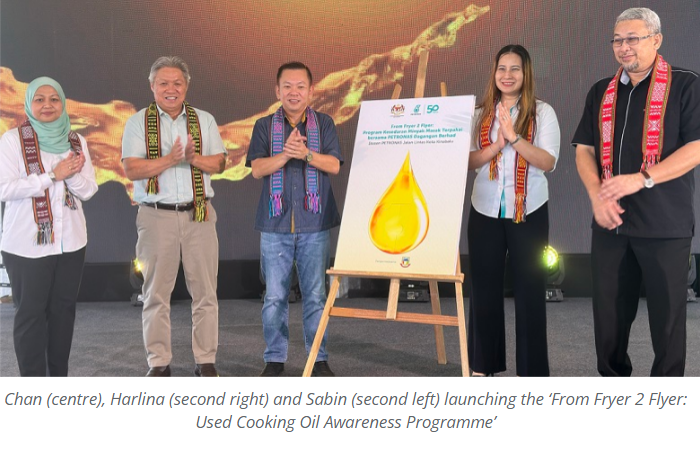
KOTA KINABALU (Aug 3): Used cooking oil (UCO) can now be sold to generate household income and produce sustainable aviation fuel (SAF) with the launching of the ‘From Fryer 2 Flyer: Used Cooking Oil Awareness Programme’ on Saturday.
The programme will also support the recycling agenda and reduce the rate of greenhouse gas emissions, in line with the country’s commitments to achieve net zero carbon emissions by 2025.
In this regard, Petronas Dagangan Berhad (PDB) has made several Petronas gas stations as UCO collection centres, to make it easier for people to send and sell their used cooking oil for RM2.50 per kilogram.
The nationwide initiative, which had started with only three Petronas gas stations around Klang Valley, has since expanded to 54 stations throughout the nation.
With this expansion, the Ministry of Plantation and Commodities (KPK) is targeting 500,000 kilogrammes of UCO to be collected and the participation of more than 100,000 people by end of this year.
In Sabah, three Petronas gas stations have been made as UCO collection centres, namely along Jalan Lintas in Kota Kinabalu, Batu 8 Labuk By-Pass in Sandakan and Jalan Utara in Tawau.
KPK Deputy Minister Datuk Chan Foong Hin, who officiated the State-level programme in collaboration with the Kota Kinabalu City Hall (DBKK) at the Petronas gas station along Jalan Lintas here on Saturday, said it will be expanded to other stations throughout the state.
Chan said his ministry protects the interests of the palm oil industry and small farmers through efforts to increase palm-oil based downstream products, in addition to supporting economic generation through a circular economy from palm oil biomass.
He said apart from raising awareness on economic and environmental benefits, organising such programmes will indirectly increase public awareness on the importance and direction of the palm oil and biofuel industries in Malaysia.
The deputy minister also suggested for a by-law to be enacted to obligate small traders and food hawkers around Kota Kinabalu to regularly manage their UCO by selling them to Petronas gas stations or UCO collection companies.
“Based on statistics from the Malaysian Palm Oil Board (MPOB), the amount of UCO collected in the state of Sabah is still low, which is only approximately 2,700 tonnes from January until June 2024.
“Overall, this amount does not even reach 1.5 percent of the total collection of UCO throughout Malaysia, which is around 200,000 tonnes in the same period.
“In addition, based on the MPOB survey, as much as 77 percent of the population do not recycle and throw away used cooking oil in the trash or less suitable ways.
“Through the organisation of today’s and future campaigns in Sabah, I hope that more Sabahans are aware of the importance of managing used cooking oil in the correct way.
“An increase in awareness among the general public will not only provide economic benefits to the people of this state, but also to the environment,” he said.
PDB General Manager, Strategy and Sustainability, Harlina Pikri said UCO is often thrown away, polluting the environment and clogging waterways.
Instead, she said these used cooking oil actually has great potential to be converted into biofuel, as through innovation and technology, the UCO collected from the nationwide initiative can be processed into cleaner fuel for airplanes or Sustainable Aviation Fuel (SAF).
Hence, she said the initiative will be an important milestone in reducing the aviation industry’s carbon footprint and bringing everyone one step closer to a more sustainable future.
“Since this initiative was launched last year, we have received a positive response from the community. To date, customers have received more than RM1 million in cashback! This not only eases their burden to some extent, but also shows the positive impact on the environment that we can achieve when all parties work together.
“Our goal is more stations so that more UCO can be collected, and more positive impact on the environment. It’s a win-win situation for everyone!
“We hope that with the expansion of this program, the culture of recycling used cooking oil will become easier and more beneficial, and we hope that we can continue to cooperate and achieve the goal of sustainable development,” she said.
Harlina added that Petronas is planning for the construction of an SAF refinery in Pengerang, Johor.
Also present was Kota Kinabalu Mayor Dato’ Sri Dr Sabin Samitah.
https://www.theborneopost.com/2024/08/03/used-cooking-oil-generates-income/
Sumber : The Borneo Post
- Details
- Hits: 303

KUALA LUMPUR, March 12 (Reuters) - Malaysian palm oil futures were largely unchanged on Tuesday as strength in Dalian edible oils wasoffset by a firmer ringgit and weak Chinese demand.
The benchmark palm oil contract FCPOc3 for May delivery on the Bursa Malaysia Derivatives Exchange closed up 2 ringgit, or 0.05%, to 4,133 ringgit ($884.06).
The contract was seen trading higher on supportive February output data in Malaysia as well as bullish momentum from Dalian vegetable oils futures, said Anilkumar Bagani, research head of Mumbai-based vegetable oils broker Sunvin Group.
"However, the stronger Malaysian ringgit and the absence of buying from key buyer China has capped the pace of the upside momentum in palm oil," Bagani said.
Dalian's most-active soyoil contract DBYcv1 rose 0.92%, while its palm oil contract DCPcv1 gained 1.08%. Soyoil prices on the Chicago Board of Trade BOcv1 were down 0.58%.
Palm oil is affected by price movements in related oils as they compete for a share in the global vegetable oils market.
Malaysia's palm oil stocks at the end of February dwindled to their lowest levels in seven months as production hit a 10-month low, offsetting the slowdown in exports.
Inventories at the end of February fell 5% from January to 1.92 million metric tons, crude palm oil production declined 10.18% to 1.26 million tons, while exports plunged 24.75%, data from industry regulator the Malaysian Palm Oil Board showed.
The Malaysian ringgit MYR=, palm's currency of trade, rose 0.13% against the dollar, making the commodity more expensive for buyers holding the foreign currency.
Exports of Malaysian palm oil products for March 1-10 rose 6.8% from the same period a month ago, cargo surveyor Intertek Testing Services said.
Another cargo surveyor, AmSpec Agri Malaysia, said exports during the same period rose 6.2% from a month ago.
($1 = 4.6750 ringgit)
https://www.nasdaq.com/articles/vegoils-palm-closes-almost-flat-as-firmer-ringgit-offsets-stronger-dalian-rival-oils
Sumber : Nasdaq