-
Official Websites of
-
MINISTRY OF
PLANTATION AND COMMODITIES -
No. 15, Level 5-13, Persiaran Perdana, Presint 2, 62654 Wilayah Persekutuan Putrajaya


BERITA SAWIT 2024
- Details
- Hits: 431
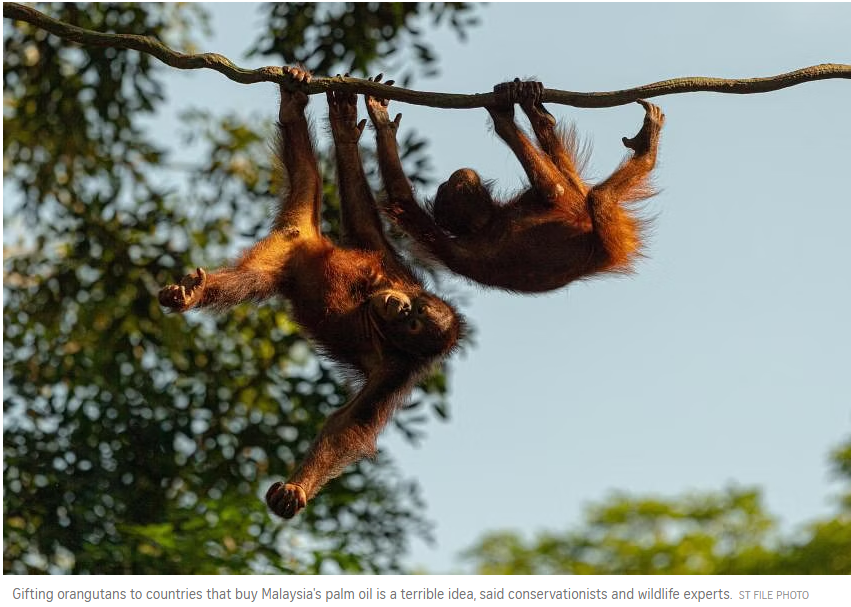
KUALA LUMPUR – A Malaysian minister’s proposal to send orang utans as gifts to countries that buy its palm oil in a bid to show “commitment to biodiversity conservation” has been panned by environmentalists and wildlife groups, who said the government should focus on deforestation.
Instead of shipping the endangered apes to trading partners like India, China and the European Union, the Malaysian government should do more to show its palm oil is produced sustainably, they said.
The “orang utan diplomacy” proposal from Plantation and Commodities Minister Johari Abdul Ghani comes on the heels of a landmark EU regulation requiring companies selling deforestation-linked goods in Europe to prove that these products are not derived from deforested lands or linked to forest degradation.
“In adopting orang utan diplomacy, we aim to demonstrate Malaysia’s unwavering commitment to biodiversity conservation,” he said in a post on his X account last week, likening the strategy to China’s “panda diplomacy” as a form of soft power.
“It would be a... strategy, where we will gift orangutans to trading partners and foster foreign relations, especially with major importing nations like the European Union, India and China,” he said.
Gifting orang utans to countries that buy Malaysia’s palm oil is a terrible idea, said conservationists and wildlife experts, adding that palm-oil cultivation has been one of the biggest factors behind the apes’ dwindling numbers.
“It’s nonsense and the minister knows it,” said Ms Michelle Desilets, executive director of Britain-based Orangutan Land Trust. “West Malaysia has no say over orang utans which live only in Sarawak and Sabah,” in addition to Kalimantan and Sumatra in Indonesia, she said in response to Datuk Seri Johari’s proposal.
The Borneo orang utan and the Sumatra orang utan are listed as critically endangered by the International Union for Conservation of Nature.
It is believed that 100 years ago there were probably more than 230,000 orang utans in total, but the Borneo orang utan’s population is thought to be about 104,700, while the Sumatra orang utan is thought to number about 7,500, according to conservation group WWF.
More can be done to ease concerns about the environmental impact of palm-oil production, conservationists said.
While Malaysia has made strides in ensuring its palm oil is sustainably produced, Ms Desilets said the industry is still a significant driver of deforestation.
“Real diplomacy can be shown by ensuring the global buyers that Malaysian palm oil is indeed sustainable and deforestation-free, and also that they are serious about the conservation of orang utans in situ,” she told The Straits Times.
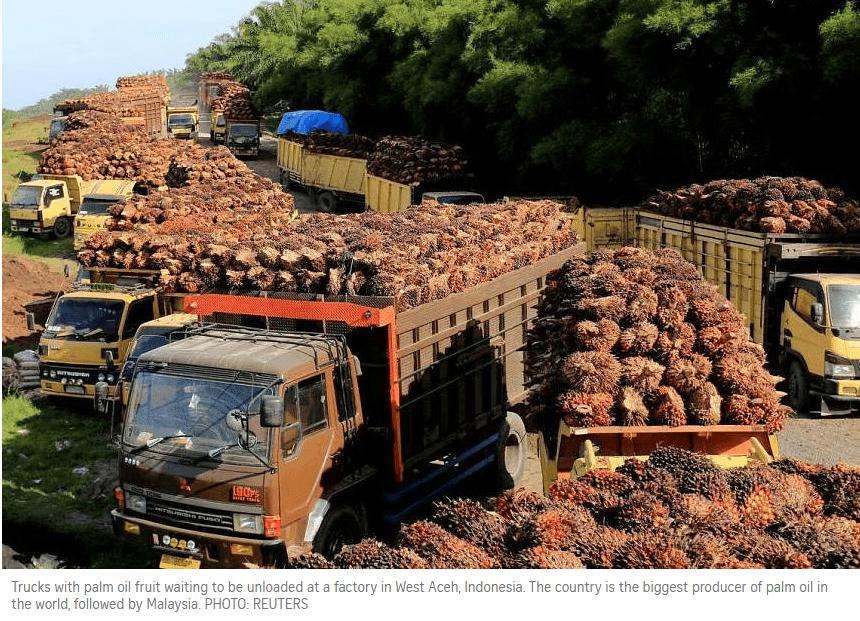
Malaysia is the second-biggest producer of palm oil in the world, after Indonesia. The export of Malaysia’s palm oil and palm-oil based products is projected to be worth about RM110 billion (S$31.5 billion) in 2024, said Bursa Malaysia chairman Wahid Omar at an industry conference in March.
The two South-east Asian countries account for around 85 per cent of the world’s palm oil products, which can be found in everything from pizza and ice cream to lipstick and shampoo.
Global demand for palm oil has been blamed for driving deforestation in Malaysia and Indonesia, and harming wildlife habitats there.
Last year, the EU approved an import ban on commodities linked to deforestation, a move that Malaysia has criticised as discriminatory.
Importers will have until the end of 2024 to comply with the new EU ruling, which came into force in June 2023.
Wildlife organisations urged the Malaysian government to consider other ways to show its commitment to biodiversity and protecting the great apes, such as by preserving the forests where they live.
WWF-Malaysia, for one, noted that orang utans are slow breeders and taking female simians out of the country to a strange and unnatural environment may adversely impact the orang utan population.
“The conservation of orang utans is best achieved by ensuring the protection and conservation of their natural habitats, and no further forest conversion into oil palm plantations allowed,” it said in a statement to ST.
Malaysia should improve the connectivity of fragmented orang utan habitats and this can be done by getting oil palm plantations to set aside wildlife corridors that are safe for orang utans, WWF-Malaysia added.
Datuk John Payne, chief executive of the Borneo Rhino Alliance, agreed that the orang utans should remain in their natural habitat, but welcomed new ideas on saving the endangered apes.
“One possible way to approach orang utan diplomacy that would not raise awkward criticism might be to garner support from the Malaysian palm oil-buying nations to collaborate with the Malaysian oil palm growers in sustaining that wild population in situ, where they are,” Dr Payne said.
There is a well-established wild orang utan population living and reproducing in the mixed oil-palm and forest landscape in eastern Sabah between Sandakan and Lahad Datu, he added.
Datuk Darrel Webber, former CEO of the Malaysia-based Roundtable on Sustainable Palm Oil, which was set up to develop and implement global standards for certified sustainable palm oil, said there are ready examples to look to for a softer approach involving orang utans and making the case for sustainable palm oil.
World-class zoos like those in Singapore, London and Auckland run regular campaigns to raise awareness about the orang utans and to highlight the value of choosing products made with sustainable palm oil to help protect the rainforests, thus making a positive impact on the environment, he said.
“I would humbly suggest that the minister approach these sorts of organisations (zoos), which enjoy a high degree of trust among their countrymen, to help with the diplomatic aims he seeks,” Mr Webber said.
Plantation and Commodities Minister Johari did not respond to ST’s request for comments on the matter.
Correction note: In an earlier version of the story, we said that Datuk John Payne was executive director of the Borneo Orangutan Rescue Alliance. This is incorrect. It should be chief executive officer of the Borneo Rhino Alliance. We are sorry for the error.
https://www.straitstimes.com/asia/se-asia/malaysia-s-plan-to-gift-orangutans-to-countries-buying-palm-oil-panned-by-green-groups
Sumber : The Straits Times
- Details
- Hits: 447
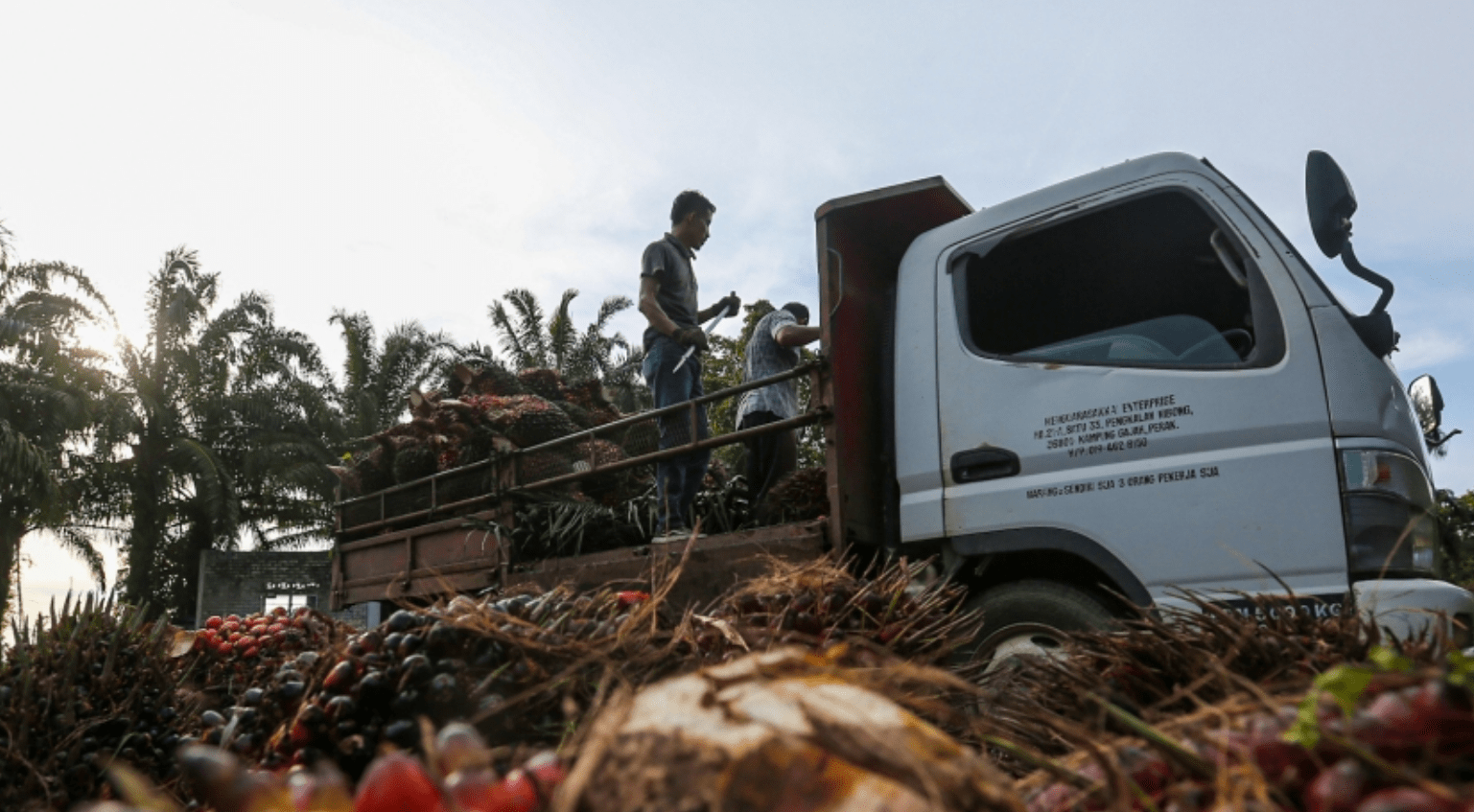
KUALA LUMPUR, March 19 ― Crude palm oil (CPO) prices are anticipated to pull back to the RM3,800 to RM4,000 per tonne trading range in April 2024 from the current level of RM4,250 per tonne, said the Malaysian Palm Oil Council (MPOC).
This is due to the ample supply of soya beans from South America entering the global market from April onwards, as well as the gradual seasonal recovery of palm oil production in Malaysia, it said.
"As the low season for palm oil production concludes in March, palm oil prices may begin to reflect the recovery in production and inventory levels in April and May, potentially capping palm oil prices.
"Additionally, the price premium of palm oil over soft oils continued to widen in March and have surpassed the prices of three major soft oils concurrently since February in the European market,” it said in a statement today.
According to MPOC, CPO prices are trading at a premium of US$40 (RM189.17) to US$95 per tonne above soft oils in March 2024, therefore, a recovery in soft oil prices is anticipated in April 2024 to narrow the price spread.
"CPO prices surged to their highest level in 12 months on March 15, 2024, nearly 10 per cent above the February 2023 closing price.
"The strong price trends observed in the first quarter of 2024 are predominantly shaped by the dynamics of deficit supply growth,” it said.
Moving forward in 2024, MPOC said the global palm oil production is projected to rise minimally by 0.11 per cent, whereas production growth for soya bean oil is expected to increase by 2.88 per cent, rapeseed oil to grow by 3.48 per cent, and sunflower oil to expand by 3.94 per cent.
In terms of inventory, it said Malaysian palm oil stocks continued their downward trend in February 2024, dropping by five per cent to 1.919 million tonnes, marking the lowest level of stock registered since July 2023.
"The reduction in palm oil inventory in February was primarily driven by reduced imports and robust domestic consumption,” it said.
MPOC said it is unlikely that Malaysia's palm oil stocks will experience any growth in March due to robust domestic consumption, particularly during the Ramadan month, while production is not expected to increase until April and beyond. ― Bernama
https://www.malaymail.com/amp/news/money/2024/03/19/malaysian-palm-oil-council-cpo-prices-set-to-pull-back-to-rm3800-rm4000-per-tonne-in-april/124253
Sumber : Malay Mail
- Details
- Hits: 729
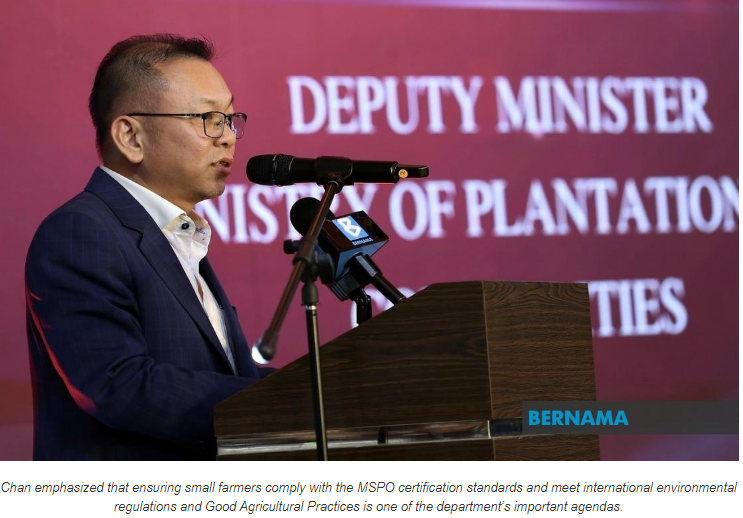
NABAWAN: Deputy Minister of Plantation Industries and Commodities Datuk Chan Foong Hin explained that obtaining the Malaysian Sustainable Palm Oil (MSPO) certification and Good Agricultural Practices (GAP) will not only enhance the quality of palm oil but also help small palm oil farmers increase their income.
He pointed out that as global awareness of sustainable development principles continues to rise, many major importing countries have set strict trade conditions for commodity and food-exporting nations to ensure that the products they import meet sustainable development standards.
“Therefore, ensuring that Malaysian palm oil meets sustainable standards is of utmost importance. This will not only guarantee and expand international markets but also solidify Malaysia’s reputation for high-quality palm oil.,”he said at the Strengthening Program for Sustainable Palm Oil Certification here recently.
He said : “In order to ensure that small farmers can keep up with international standards and meet global market demands, the Ministry of Plantation Industries and Commodities, through the Malaysian Palm Oil Board, actively assists small farmers in joining the Sustainable Palm Oil Cluster (SPOC) and obtaining the MSPO certification.”
https://www.dailyexpress.com.my/news/233102/malaysian-sustainable-palm-oil-good-agricultural-practices-to-boost-palm-oil-exports/
Sumber : Daily Express
- Details
- Hits: 514
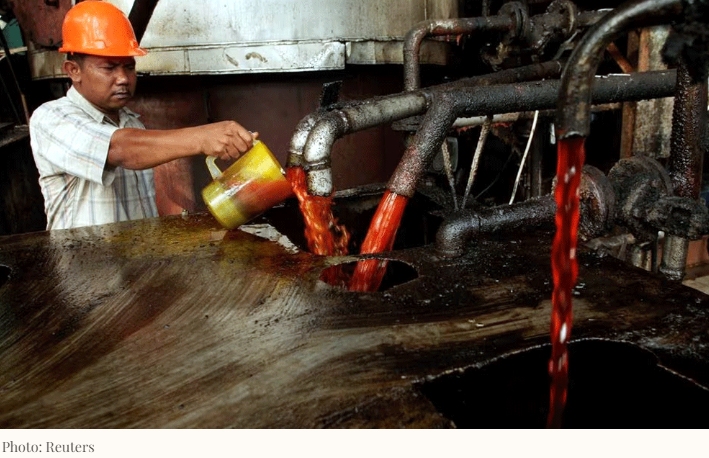
KUALA LUMPUR: Plantation and commodities minister Johari Ghani says manual labour is still required to harvest oil palm fruits, as machine-based technology for such purposes has yet to be developed.
Johari said this was why the palm oil industry is heavily dependent on foreign workers for harvesting and collection, with nearly half of the workforce dedicated to this process.
“It (harvesting) still requires manual labour. We have many (manual) tools for harvesting the fruit but this requires the expertise of skilled workers,” he told the Dewan Rakyat today.
However, he said mechanisation was feasible for other tasks in the industry, such as the application of fertiliser and pesticides.
Johari was responding to a supplementary question from Idris Ahmad (PN-Bagan Serai) on whether the ministry plans to mitigate the shortage of workers in the palm oil industry through technological advancements.
Last month, he announced that only the plantation sector would be permitted to hire foreign workers, a decision conveyed to him by home minister Saifuddin Nasution Ismail after Saifuddin’s meeting with human resources minister Steven Sim on Jan 16.
Johari had said that the industry was facing a shortage of 40,000 workers.
To address the industry’s need for foreign workers, Johari said the ministry had introduced technical and vocational education and training aimed at training locals to become harvesters.
“We have identified 60 people to enrol in this course, scheduled to commence in April and conclude in September. Hopefully, they can focus on the intricacies of harvesting these fruits,” he said in the Dewan Rakyat.
“And when this expertise is acquired, we can encourage more people to engage in harvesting oil palm fruits.”
https://www.freemalaysiatoday.com/category/nation/2024/02/28/manual-labour-still-required-for-oil-palm-harvesting-says-johari/
Sumber : Free Malaysia Today
- Details
- Hits: 465

KUALA LUMPUR (May 30): To achieve its net zero emissions goal by 2050, Malayan Banking Bhd (KL:MAYBANK) has identified interim decarbonisation targets for the bank’s palm oil and power portfolios.
The whitepaper, entitled “Banking on a better tomorrow: Our commitment to net zero”, serves as the bank’s primary instrument to publicly communicate its commitments to sustainable growth, Maybank president and chief executive officer Datuk Khairussaleh Ramli said in a statement on Thursday.
Maybank aims to reduce financed emissions intensity for its palm oil portfolio from a June 2023 baseline of 1.47 tonnes of carbon dioxide equivalent per tonne of crude palm oil (tCO2e/tCPO) produced to 1.40 tCO2e/tCPO by 2030.
“This (the 2023 baseline) is well below the reference scenario of 2.04 tCO2e/tCPO. This significant achievement is guided by an integrated reference scenario that combines the Science Based Targets Initiative (SBTi) Flag pathway, tailored for palm oil, with the Network for Greening the Financial System (NGFS) REMIND, which accounts for methane emissions from palm oil milling,” the statement read.
As for the power sector, Maybank has targeted to reduce its financing power emissions intensity from a June 2023 baseline of 442 kg carbon dioxide equivalent per megawatt-hour (kgCO2e/MWh) to 272 kgCO2e/MWh by 2030, based on the regionalised International Energy Agency Net Zero Emissions by 2050 Scenario (IEA NZE 2050) reference pathway.
Its power emissions intensity baseline of 442 kgCO2e/MWh is already below the regional benchmark of 573 kgCO2e/MWh, which represents the average level of carbon emissions from power generation in the region.
No financing to greenfield coal-fired power plants
Meanwhile, the bank said it will continue to enforce its coal policy, whereby no financing will be extended to new greenfield coal-fired power plants and borrowers who derive a material amount of annual revenue from thermal coal.
Khairussaleh said Maybank is well positioned to offer financing for its clientele and the broader palm oil and power ecosystem to support the energy transition in the region.
“By setting ambitious yet achievable targets and implementing a combination of regulatory measures, incentives, and technological innovations, we firmly believe that both sectors can play a crucial role in achieving net zero emissions by 2050,” he added.
At the noon break, shares in Maybank stood one sen or 0.1% higher at RM9.91, valuing Malaysia’s largest bank by assets at RM119.58 billion.
https://theedgemalaysia.com/node/713643
Sumber : The Edge Malaysia